
Project Overview
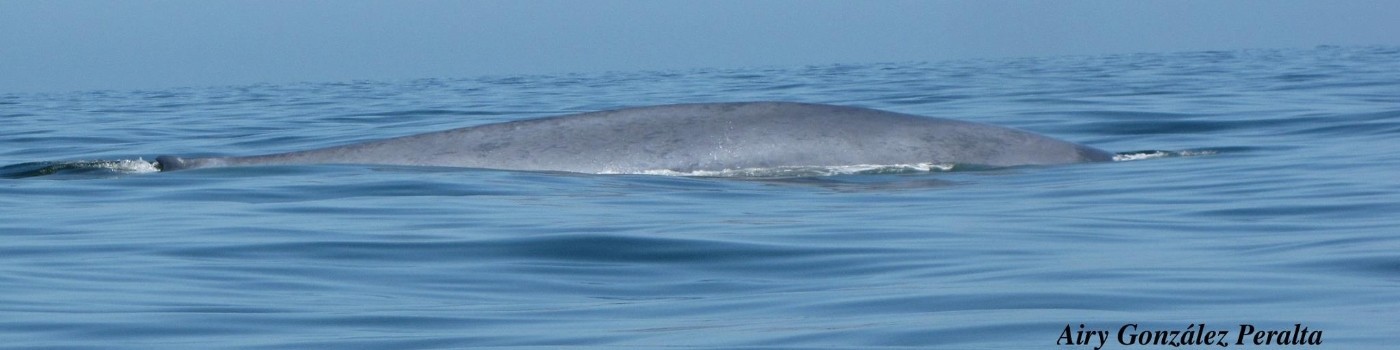
This undergraduate thesis research established the first land-based theodolite monitoring station for blue whales in Mexico. Working from a remote islet in Loreto Bay National Park, I investigated whether whale-watching and research vessels affected blue whale surface behavior and diving patterns.
The project addressed a critical methodological question: does the presence of research boats bias behavioral observations? By simultaneously collecting data from both land-based and boat-based platforms, I could directly compare methods and assess whether our observation approach was influencing what we measured.
Field Methods
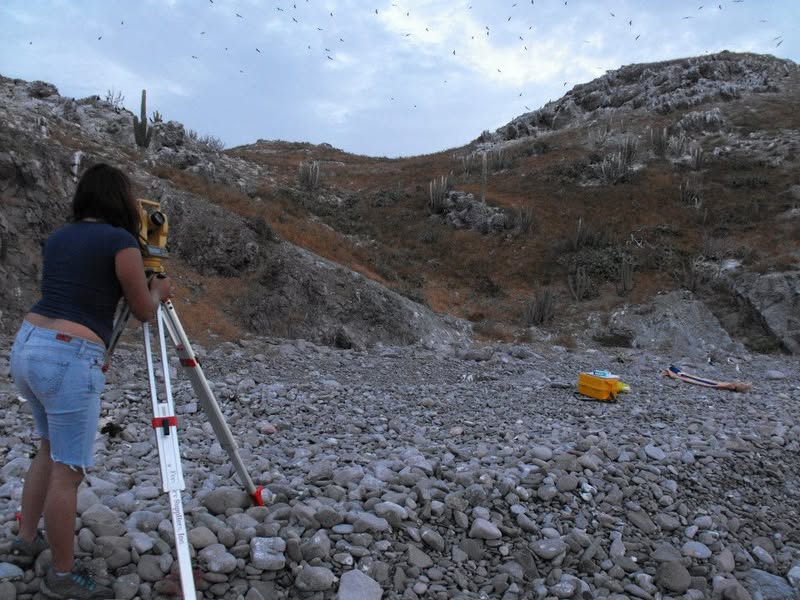
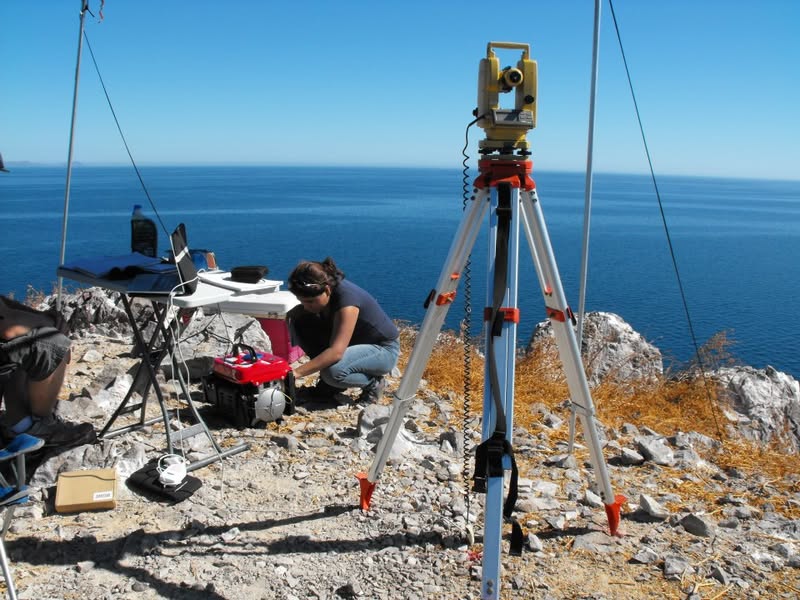
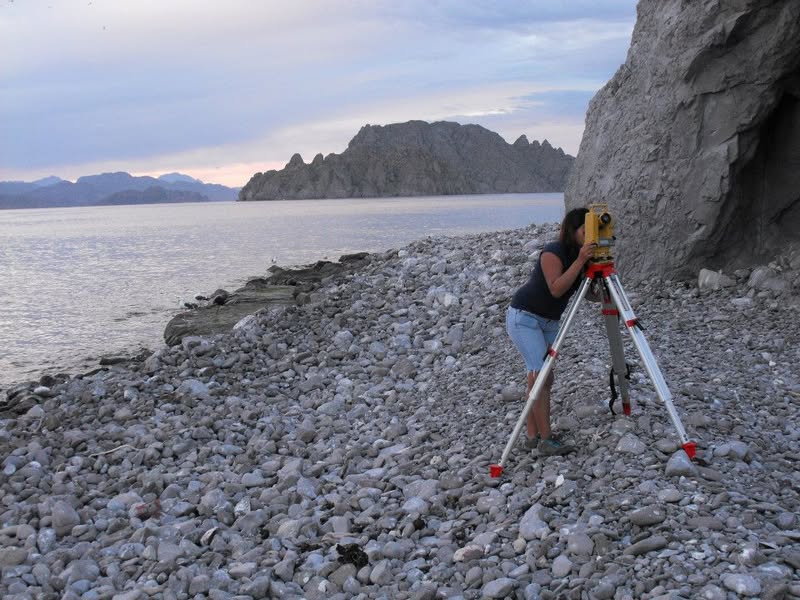
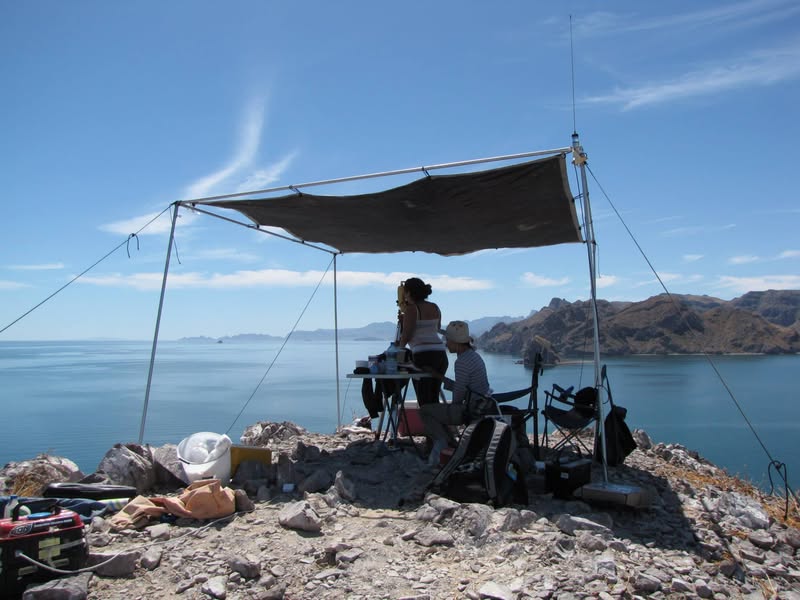
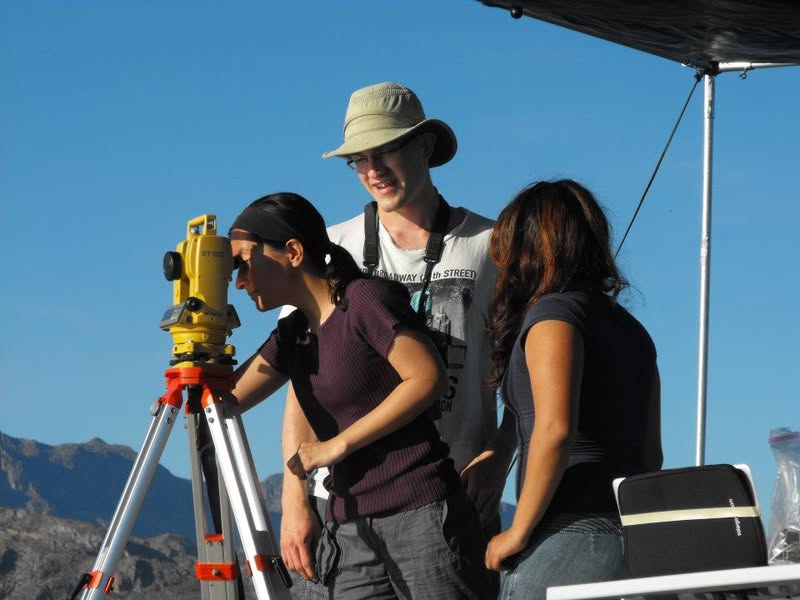
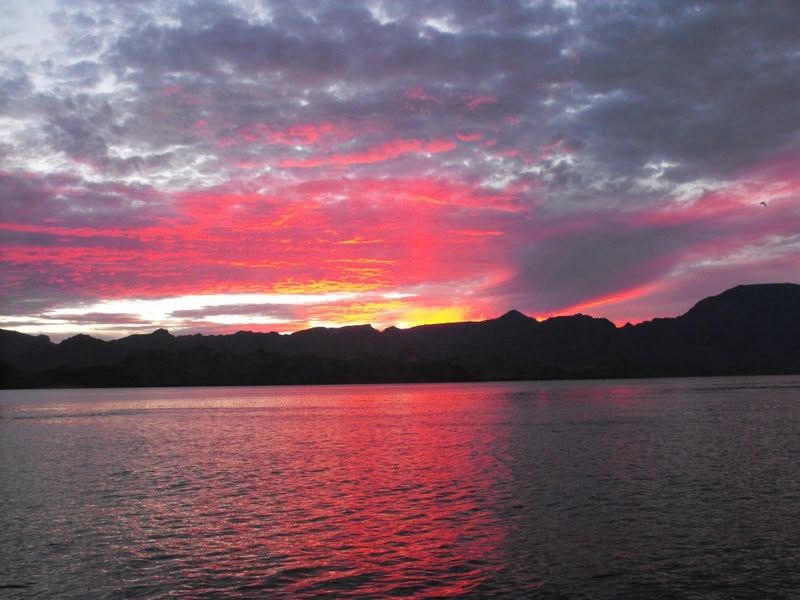
The research required establishing a complete field camp on Islote Tijeras, a small islet offering panoramic views of the study area. Using a theodolite (a precision surveying instrument), I tracked individual whales and recorded:
- Surface intervals and dive durations
- Number of blows (respirations) per surfacing
- Whale positions and movement patterns
- Boat presence and proximity
The theodolite connected to a laptop running Pythagoras® software, which calculated precise whale positions in real-time using trigonometry. This approach eliminated the need to approach whales with boats, providing truly non-invasive observations.
🔍 Key Findings
- Vertical Avoidance Behavior: Blue whales in the presence of boats showed significantly longer dive times (6.60 vs 5.11 minutes) and shorter surface intervals (1.11 vs 2.97 minutes)
- Reduced Respiratory Rates: Whales made fewer blows per surfacing when boats were present (4.21 vs 4.85 blows)
- Method Validation: Land-based observations produced behavioral measurements more consistent with satellite telemetry studies than boat-based methods
- Observer Effects: Even research vessels following regulations appeared to influence whale behavior, suggesting the importance of truly non-invasive monitoring approaches
Research Significance
This work demonstrated a fundamental principle that has guided my research ever since: where we observe from matters as much as what we observe. Just as boat-based observations introduced biases in whale behavior studies, I later discovered in my PhD research that weather station measurements don't represent the microclimates where pikas actually live.
The research provided quantitative evidence that even well-intentioned research activities can influence the systems we study. This has important implications for:
- Establishing baseline behavioral data for conservation assessments
- Designing whale-watching regulations that minimize disturbance
- Choosing appropriate monitoring methods for long-term studies
- Correcting abundance estimates that rely on surface time observations
Conservation Context
Loreto Bay National Park is a critical nursery area for blue whales in the Gulf of California. The park has experienced rapid growth in whale-watching tourism, making it essential to understand how these activities affect whale behavior. This research contributed to ongoing discussions about tourism management and marine mammal protection in Mexican waters.
Awards & Recognition
- Grant funding: Society for Marine Mammalogy
- Grant funding: Cetacean Society International
- Third place: 2014 Mexican Society of Marine Mammalogy Congress
📄 Read the Full Thesis
Complete methodology, statistical analysis, and detailed results (in Spanish)
Download PDF (Spanish)Technical Details
Study Period: February-March 2013
Sample Size: 44 focal follows, 32 hours of behavioral observations
Analysis: Bayesian hierarchical modeling in R and WinBUGS
Institution: Centro Interdisciplinario de Ciencias Marinas (CICIMAR-IPN)
Advisor: M.C. Geraldine Busquets Vass